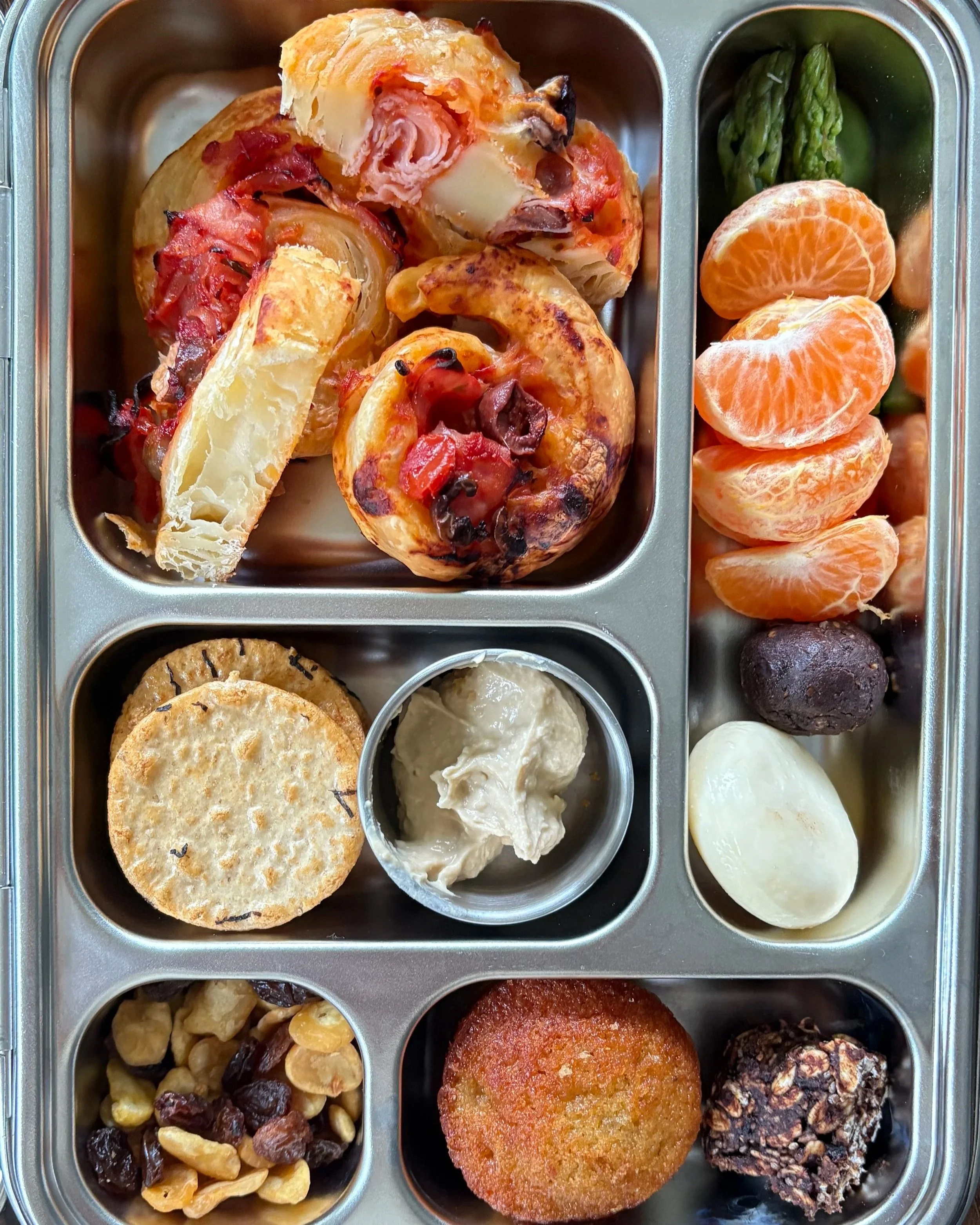
How to Build a Balanced Lunchbox Kids will Eat
Packing a lunchbox can feel repetitive and frustrating, especially when food comes home uneaten.
Many parents focus on keeping things easy or quick, but end up relying on snack foods that do not keep kids full or satisfied. This often links back to broader toddler feeding patterns and how meals are structured across the day.
A balanced lunchbox does not need to be complicated. With a simple structure, you can build meals that support energy, focus and growth, while still being realistic for busy mornings.
What makes a balanced lunchbox
A balanced lunchbox includes a mix of nutrients that work together to keep kids full and focused throughout the day.
Aim to include:
Protein for growth and satiety
Carbohydrates for energy
Whole grains for fibre
Healthy fats for sustained energy
Fruit and vegetables for vitamins
This balance supports children’s nutrition and helps with energy, focus and growth across the day.
When one of these is missing, children are more likely to feel hungry soon after eating.

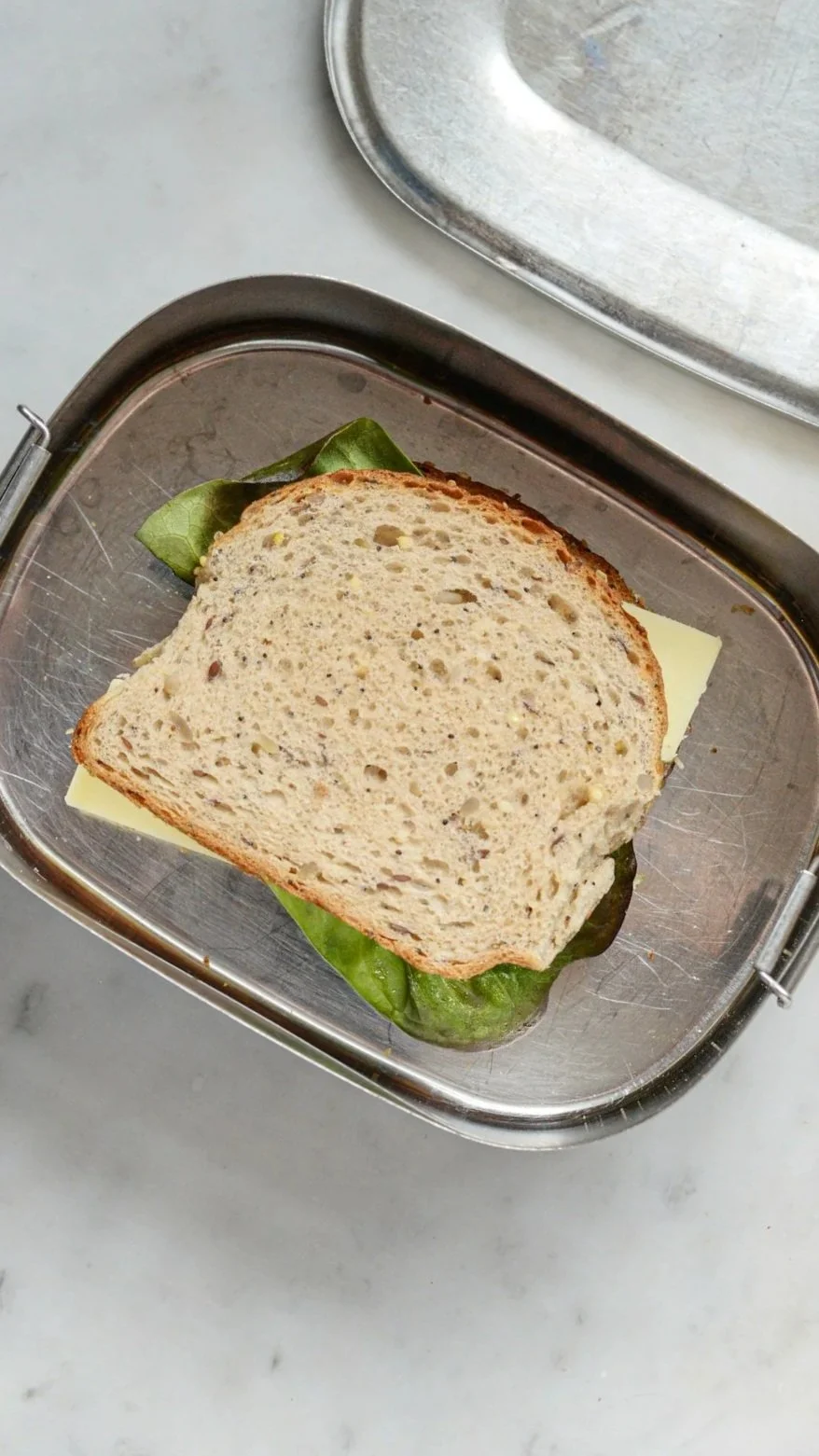
Lunchbox building formula
Keeping things simple makes lunchboxes easier to prepare and more consistent.
Think:
Fibre - wholemeal pitas, rolls, bread, buckwheat, oats, quinoa, popcorn, crackers, legumes, dried fruit
Protein - yoghurt, cheese, eggs
Iron - chicken, tofu, legumes, olives, whole grains
Colour - fruit and veg
Healthy Fats - avocado, hemp seeds, nuts (if allowed) seeds,
Fun - food is enjoyment as much as it is nutrients
Remember lunchboxes don’t need to be perfect every day, they are one meal of the day and only one part of a full day of eating.
The main lunchbox compartment
You do not need a new idea every day. Having a few go to options for your main compartment makes it easy. Then rotate these options every few weeks.
Some simple ideas include:
Wholemeal roll with cheese and hummus filling
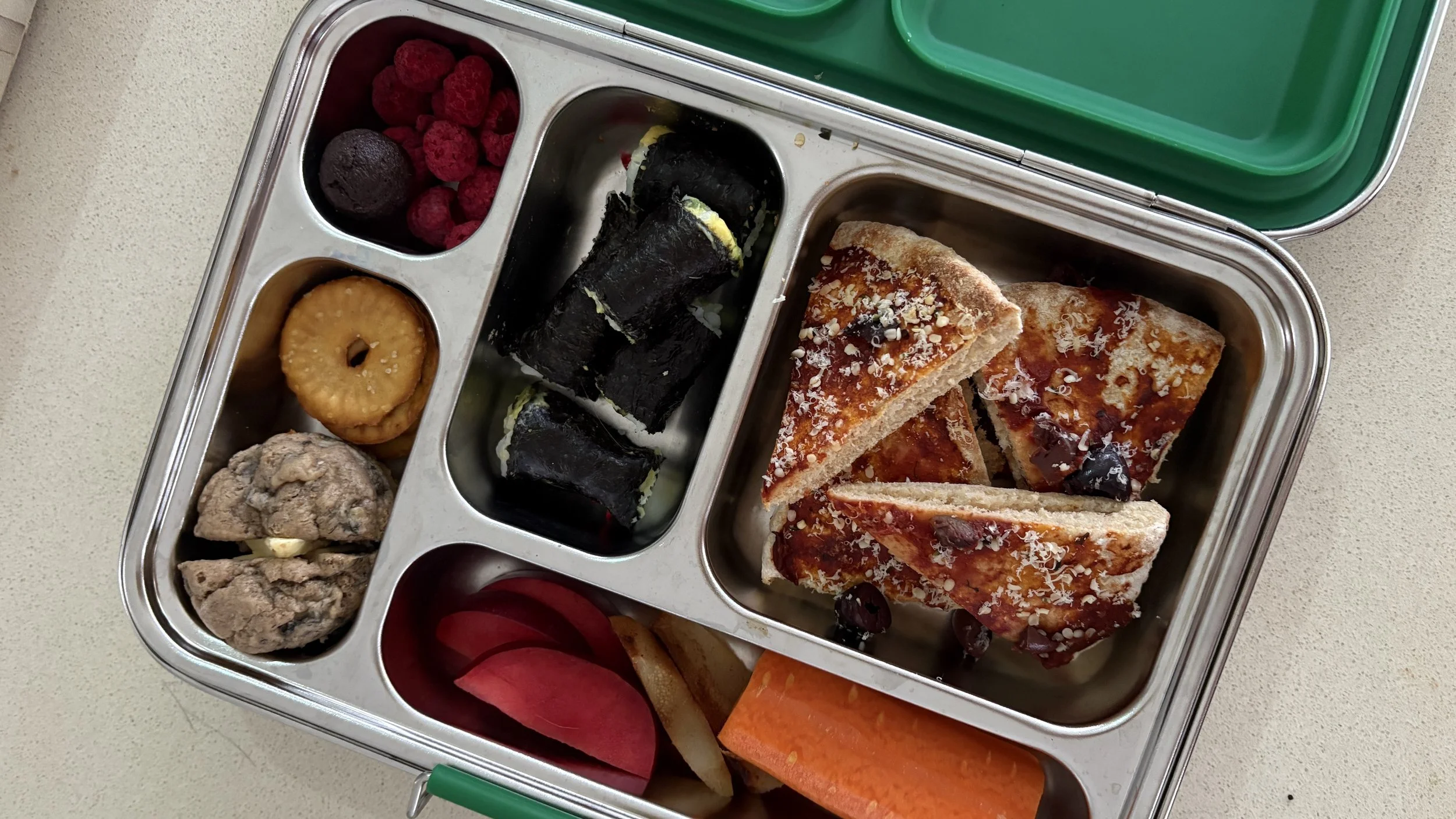
Wholemeal pita pizzas made with veg sauce, olives, cheese and/or pineapple
Scrolls, rotate fillings of bolognaise, spinach & ricotta, tomato paste, shredded chicken
Pasta salad with veg sauce
Egg cups made with wraps, chopped veg and cheese
Falafels with tzatziki
Homemade tuna and avocado sushi
These options provide a mix of nutrients while still being practical and budget friendly.
If you would like more ideas like this, my nutrition workshops walk through simple lunchbox combinations and how to make them work in everyday life.
Common lunchbox mistakes
There are a few patterns that often lead to lunchboxes coming home untouched.
These include:
Including food that won’t travel well in a lunchbox
Including new foods kids are not familiar with
Sending large portions that feel overwhelming
Offering foods that require too much time to eat or are too messy
Small changes, like reducing portion sizes, soaking cut apple in salt water, Using silicon separators within the lunchbox to separate food, having kids have some say into what goes into their lunchbox can make a big difference.
If you would like practical support building lunchboxes your child will actually eat, you can explore my lunchbox workshops.
They focus on simple, repeatable strategies so you are not constantly thinking about what to pack.