Iron rich foods for babies and toddlers
Iron is one of the most important nutrients to focus on in the early years, yet it is also one of the most commonly missed.
From around six months, a baby’s iron stores begin to drop. At the same time, their need for iron increases to support rapid growth and development. This is why many parents start to feel unsure about what to offer and whether their child is getting enough, especially when starting solids.
The good news is that with a few simple changes, it is very achievable to include iron rich foods into everyday meals.
Why iron matters for babies and young children
Iron plays a key role in brain development, growth and immune function.
Low iron intake in early childhood can impact energy levels, appetite and overall development. This is why it becomes a priority nutrient from the starting solids stage through to toddler years.
Breast milk is low in iron, and while formula does contain iron, food still plays an important role once solids begin.
Rather than relying on one food, the goal is to include iron rich options regularly across the week.
Signs a child may not be getting enough iron
Some children with low iron intake may show subtle signs, while others may not show obvious symptoms.
Things to look out for include:
low energy or fatigue
pale skin
reduced appetite
frequent illness
slower weight gain
If you are concerned about your child’s iron levels, it is always best to speak with your GP.
Best iron rich foods for babies
When starting solids, focus on offering soft, easy to manage foods that are naturally rich in iron.
Some simple options include:
slow cooked beef or lamb, shredded
egg yolk
lentils and beans, well cooked
tofu
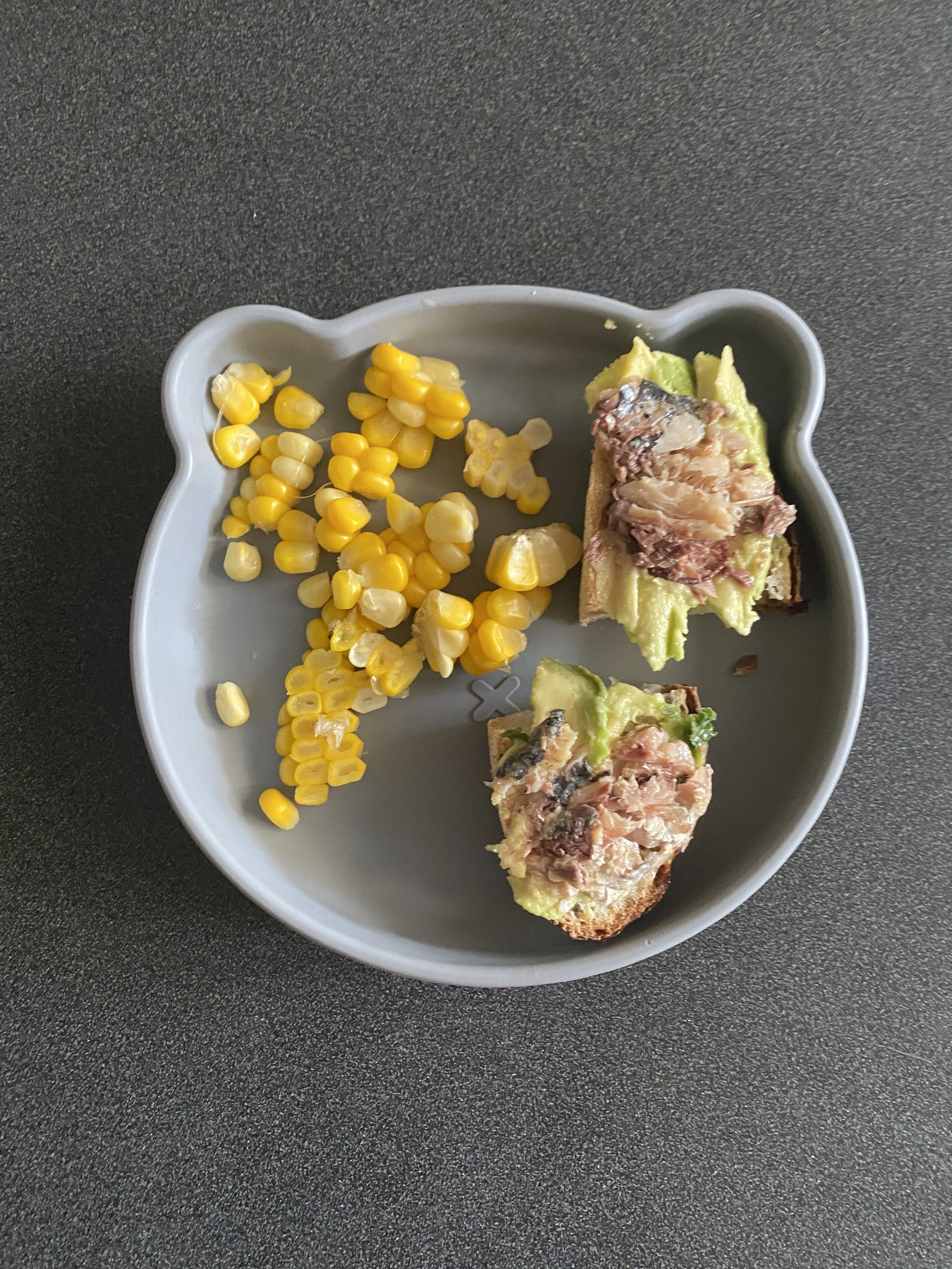
sardines
dark leafy greens, finely chopped or mixed into meals
These can be served alongside foods your baby is already familiar with. You do not need to overcomplicate it.
For example, adding shredded beef to mashed vegetables or mixing lentils into a puree is a simple way to increase iron intake.
For a step by step approach to introducing these foods, my Starting Solids Guide walks through exactly how to build balanced meals from the beginning.
Iron rich foods for toddlers
As children move into toddler years, meals become more varied and family based. This stage is closely linked to broader toddler feeding patterns and how meals are structured across the day.
Iron rich foods can be built into everyday meals such as:
spaghetti bolognese with added lentils and frozen spinach
lentil based soups or curries
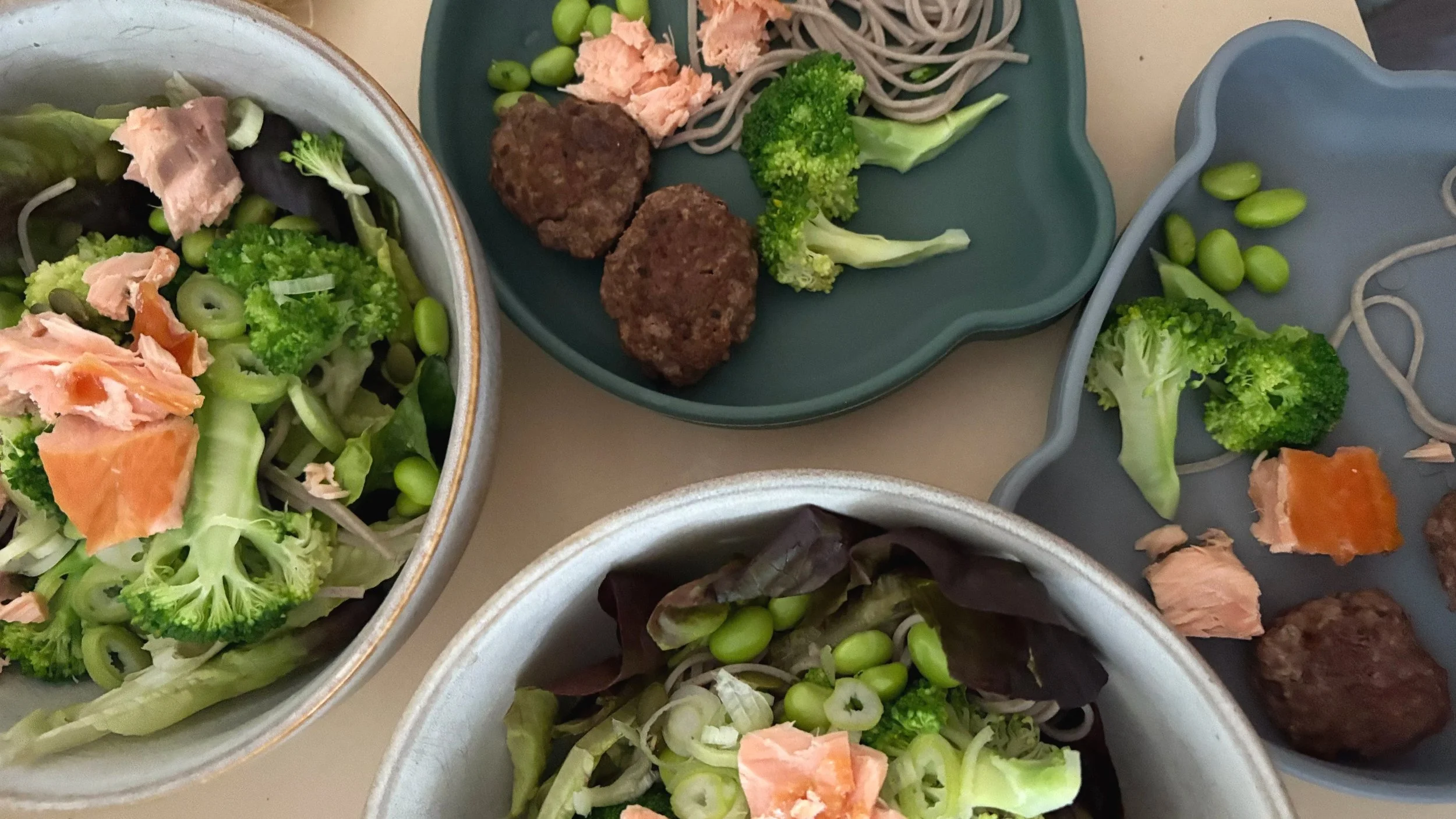
meatballs
eggs on toast
beans mixed into wraps
The focus here is consistency. Including iron rich foods most days is more effective than relying on occasional high iron meals.
Simple ways to increase iron absorption
Including iron rich foods is important, but how you serve them also matters.
A few small changes can help your child absorb more iron from their meals:
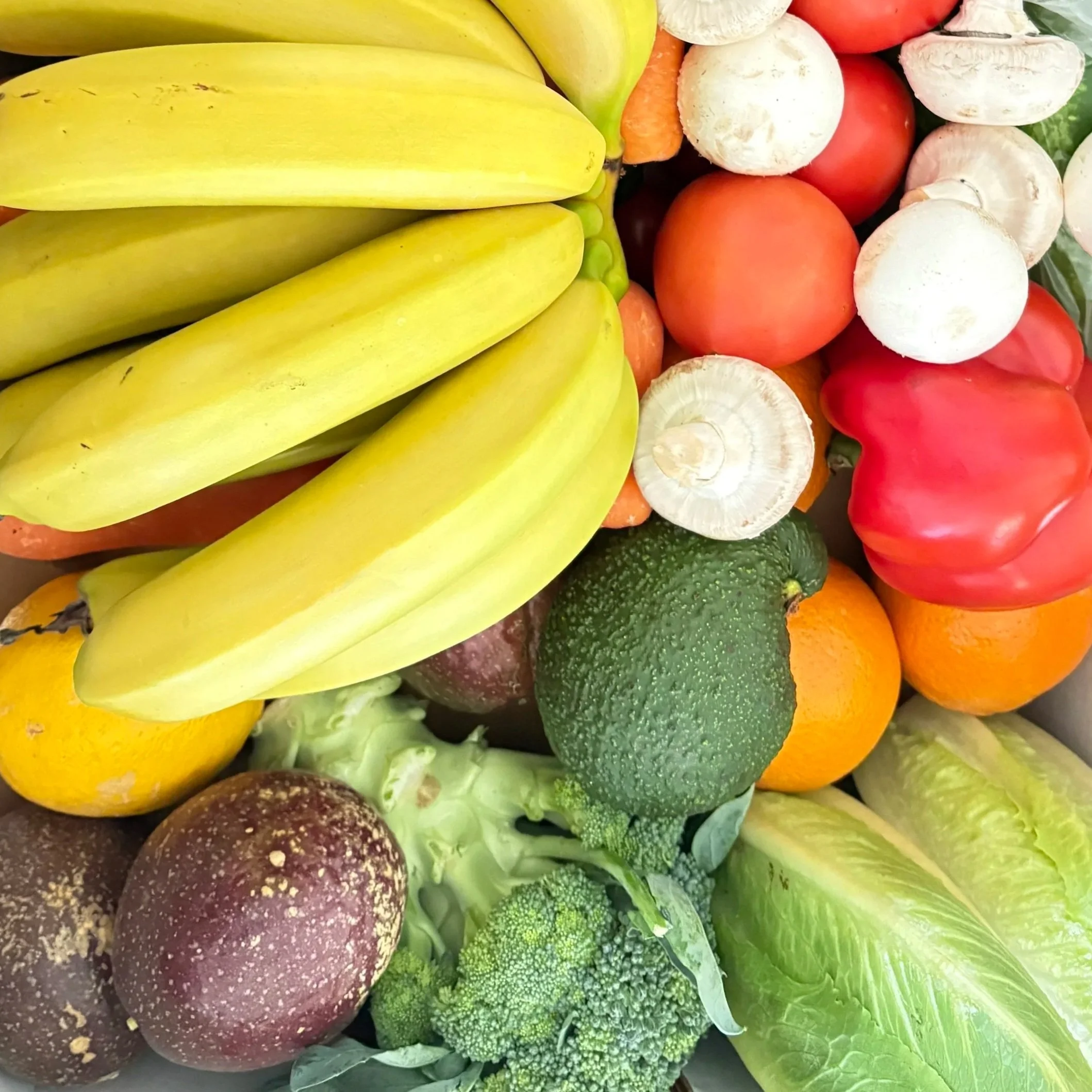
pair iron foods with vitamin C foods such as fruit or vegetables
avoid offering large amounts of milk around meals
include a mix of animal and plant iron sources
offer variety across the week
For example, serving beef with tomato, or lentils with capsicum, can improve how much iron is absorbed.
If you would like practical support with introducing iron rich foods and building balanced meals, my starting solids workshops cover this in a simple and realistic way.
For ongoing guidance as your baby moves through solids, you can also join Nu Bub Club for continued support.