
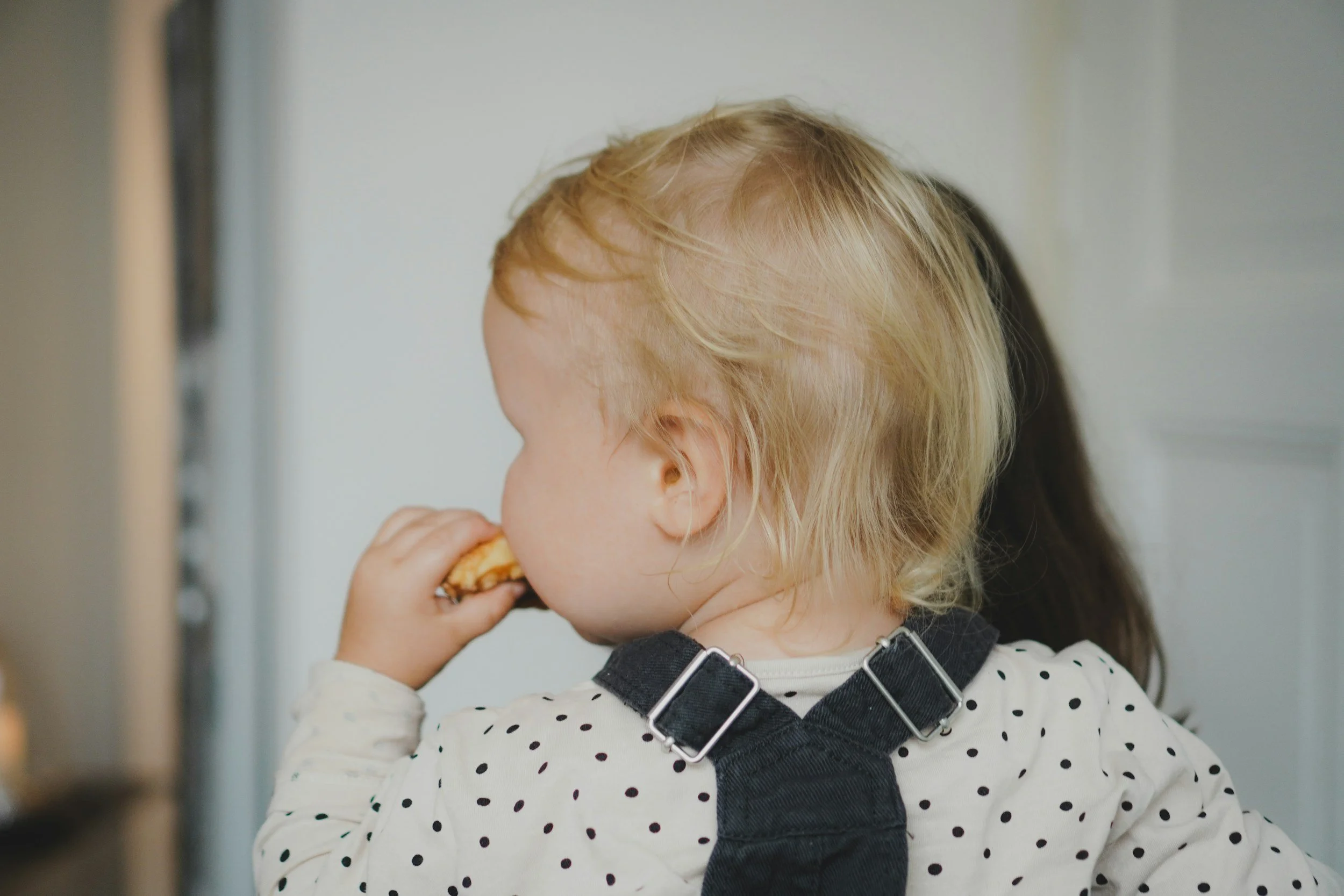
Toddler feeding: how to build healthy eating habits
Feeding a toddler can feel unpredictable.
One day they eat everything, the next day they refuse foods they previously enjoyed. This is a normal part of development, but it can leave parents questioning whether their child is getting what they need.
The goal with toddler feeding is not perfect meals. It is about building consistent habits that support a positive relationship with food over time.
What toddlers need nutritionally
Toddlers need a balance of nutrients to support growth, energy and development.
This includes:
Protein for growth
Carbohydrates for energy
Healthy fats for brain development
Vitamins and minerals from fruit and vegetables
Rather than focusing on one meal, it is more helpful to look at intake across the day or week.
If you want a clearer structure for building balanced meals, you can also read about how to build a balanced lunchbox kids will eat.
Why toddlers become selective with food
Many toddlers go through a phase of being more selective with what they eat.
This can be due to:
Growing independence
Slower growth compared to infancy
Changing appetite
Preference for familiar foods
This phase is expected and does not usually mean something is wrong.
If its feeling overwhelming, learning more about starting solids and toddler nutrition can help you understand what is normal and what to focus on.
How to approach toddler meals
A helpful framework is to decide what is offered, while your child decides what and how much they eat.
This looks like:
• offering balanced meals at regular times
• including at least one familiar food
• avoiding pressure to eat
• allowing your child to explore food
Over time, this approach builds trust and reduces mealtime stress.
For more hands on support, my nutrition workshops walk through how to apply this in real life.
Simple toddler meal ideas
Meals do not need to be complicated or separate from the rest of the family.
Examples include:
• scrambled eggs with toast and fruit
• pasta with lentils or meat sauce
• chicken with rice and vegetables
• yoghurt with fruit and oats
• wraps with hummus, cheese and vegetables
Repeating meals is fine. Familiarity helps toddlers feel more comfortable with food.
If you are also navigating snacks, you can explore healthy snacks for toddlers for simple ideas that fit into your day.
Common toddler feeding challenges
Some of the most common challenges include:
Refusing meals
Eating very small amounts
Wanting snacks instead of meals
Preferring packaged foods
These can often be improved by keeping structure around meals and snacks and offering consistent options.
Building long term healthy habits
What matters most is the overall feeding environment.
Focus on:
Regular meal and snack times
Eating together where possible
Keeping food neutral, not good or bad
Avoiding pressure or rewards linked to food
These habits support a positive relationship with food into later childhood.
If you would like more support, my nutrition workshops cover toddler nutrition, balanced meals and lunchboxes, with practical strategies you can use straight away.